What Is Diabetes?
Diabetes is a chronic health condition in which the body cannot properly regulate the level of glucose, or blood sugar, in the bloodstream.
Glucose is an important source of energy for the body. The hormone insulin helps move glucose from the bloodstream into cells so it can be used for energy.
Diabetes develops when the body does not produce enough insulin, cannot use insulin effectively, or both. When blood glucose remains too high, it can gradually damage blood vessels and other parts of the body.
The Main Types of Diabetes
There are several types of diabetes, but three important forms are:
Type 1 Diabetes
Type 1 diabetes occurs when the body's immune system attacks the cells in the pancreas that produce insulin.
People with type 1 diabetes require insulin every day for survival. It can occur at any age, although it commonly develops in children and young adults.
At present, there is no known way to prevent type 1 diabetes.
Type 2 Diabetes
Type 2 diabetes is the most common form of diabetes.
It occurs when the body does not use insulin effectively and, over time, may not produce enough insulin to maintain healthy blood-glucose levels.
Type 2 diabetes is associated with factors including genetics, ageing, excess body weight and low levels of physical activity. It can often be prevented or delayed through healthy lifestyle changes.
Gestational Diabetes
Gestational diabetes occurs during pregnancy when blood glucose levels become higher than normal but do not meet the criteria for diabetes outside pregnancy.
It is usually identified through screening during pregnancy rather than through symptoms.
Women who have had gestational diabetes may have a higher risk of developing type 2 diabetes later in life.
What Are the Warning Signs?
Diabetes does not always produce obvious symptoms, particularly in its early stages.
Common symptoms can include:
Feeling unusually thirsty
Urinating more often than usual
Increased hunger
Feeling unusually tired
Unexplained weight loss
Blurred vision
In type 2 diabetes, symptoms can be mild and may develop gradually over several years. Some people may have no noticeable symptoms at all.
This is one reason regular health checks can be important, especially for people with increased risk.
Why Can Diabetes Be Difficult to Notice?
A person can have elevated blood glucose without feeling seriously unwell.
Because type 2 diabetes can develop slowly, some people may not discover that they have it until a routine health check or blood test identifies the problem.
Early detection is important because uncontrolled diabetes can eventually damage blood vessels and organs, including the heart, kidneys, eyes and nerves.
What Is Prediabetes?
Prediabetes refers to blood-glucose levels that are higher than normal but not yet in the range used to diagnose diabetes.
It can increase the risk of developing type 2 diabetes and other health problems.
Importantly, having prediabetes does not mean that type 2 diabetes is inevitable. Lifestyle changes and appropriate medical guidance can help reduce the risk of progression.
Prediabetes may also have no clear symptoms, so people with relevant risk factors should discuss appropriate testing with a healthcare professional.
Who May Have a Higher Risk of Type 2 Diabetes?
Several factors can increase the risk of type 2 diabetes.
These may include:
Having overweight or obesity
Having a parent, brother or sister with type 2 diabetes
Being physically inactive
Getting older
Having high blood pressure
Having previously had gestational diabetes
Having certain health conditions associated with increased diabetes risk
Some risk factors, such as age and family history, cannot be changed.
Others, including physical activity, diet and body weight, can often be influenced through lifestyle changes.
How Can Type 2 Diabetes Risk Be Reduced?
Not every case of type 2 diabetes can be prevented, but healthy lifestyle habits can help prevent or delay it, particularly among people at increased risk.
🥗 Choose a Balanced Diet
Build meals around nutritious foods and aim to reduce excessive intake of added sugars, unhealthy fats and highly processed foods.
A balanced diet can support healthy body weight and overall metabolic health.
🚶 Stay Physically Active
Regular physical activity can help improve overall health and reduce the risk of type 2 diabetes.
WHO recommends adults get at least 150 minutes of moderate-intensity physical activity each week, or an equivalent amount of more vigorous activity.
Even when starting from a low level of activity, gradual and sustainable changes can be useful.
⚖️ Maintain a Healthy Weight
If you have overweight, working toward a healthier body weight can help lower the risk of type 2 diabetes.
This should be approached through sustainable lifestyle changes rather than extreme diets or rapid weight-loss methods.
🚭 Avoid Tobacco
Avoiding tobacco is an important part of protecting overall cardiovascular and metabolic health.
🩺 Get Appropriate Health Checks
If you have risk factors for diabetes, talk to a healthcare professional about whether blood-glucose testing is appropriate for you.
Diabetes is diagnosed using blood-glucose measurements, and healthcare professionals can determine which test is appropriate based on the individual's circumstances.
Why Does Diabetes Need Attention?
Persistently high blood glucose can damage blood vessels and nerves over time.
Diabetes can increase the risk of serious health complications, including:
❤️ Heart disease
🧠 Stroke
👁️ Vision problems and vision loss
🫘 Kidney disease
🦶 Nerve and foot problems
These complications do not happen to everyone, and good diabetes care can help prevent or delay many of them.
Diabetes and Blood Pressure
Diabetes and high blood pressure often occur together.
Both conditions can affect blood vessels and increase cardiovascular and kidney-related risks.
That is why people living with diabetes may need regular monitoring of blood pressure, blood glucose and other health indicators as advised by their healthcare professional.
When Should You Talk to a Healthcare Professional?
Consider discussing diabetes testing with a healthcare professional if:
You have several diabetes risk factors.
You experience persistent excessive thirst or frequent urination.
You experience unexplained weight loss.
You have persistent fatigue or blurred vision.
You have been told that your blood glucose is higher than normal.
You have a history of gestational diabetes.
You are concerned about your personal or family risk.
Do not rely on symptoms alone to determine whether you have diabetes.
A healthcare professional can assess your risk and recommend appropriate testing.
Small Steps Can Make a Difference
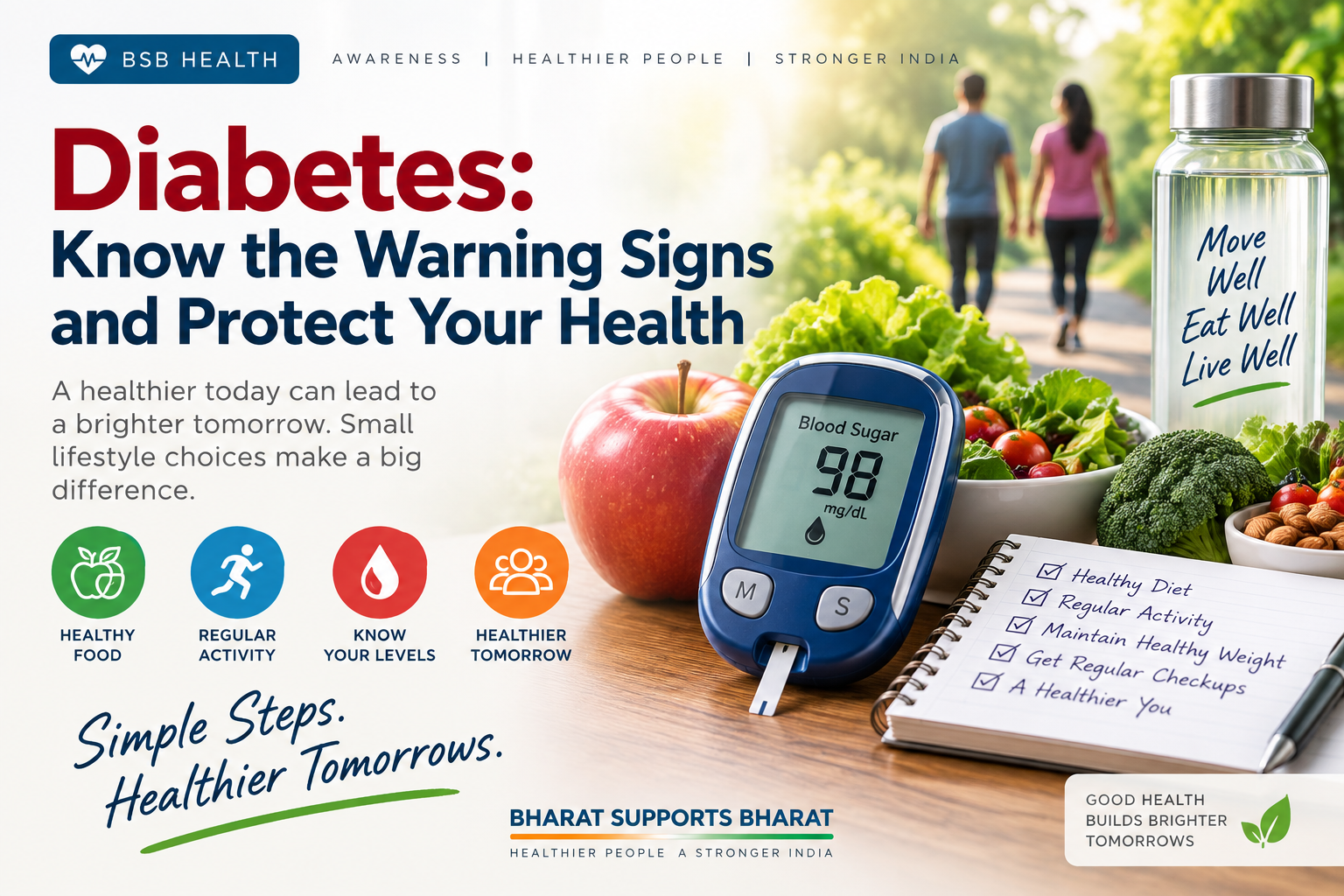
Diabetes prevention does not require perfection.
Simple, sustainable habits can contribute to better health:
Move more.
Eat a balanced diet.
Maintain a healthy weight.
Avoid tobacco.
Know your risk.
Get checked when appropriate.
For people who already have diabetes, following a healthcare professional's management plan and attending recommended follow-up appointments are important parts of long-term care.
Key Takeaways
Diabetes affects the body's ability to regulate blood glucose.
Type 1, type 2 and gestational diabetes are different conditions.
Type 2 diabetes can develop gradually and may have few or no noticeable symptoms.
Increased thirst, frequent urination, unexplained weight loss, fatigue and blurred vision can be warning signs.
Prediabetes increases the risk of developing type 2 diabetes but progression is not inevitable.
Healthy eating, regular physical activity and maintaining a healthy body weight can help prevent or delay type 2 diabetes.
People with relevant risk factors should discuss appropriate blood-glucose testing with a healthcare professional.
Early detection and appropriate management can help reduce the risk of long-term complications.
BSB Health Awareness Disclaimer
This article is provided by Bharat Supports Bharat (BSB) for general health education and awareness only. It is not intended to diagnose, treat, cure or prevent any disease and does not replace advice from a qualified healthcare professional. Individual health risks and medical needs vary. If you are concerned about diabetes, blood-glucose levels, symptoms, medicines or treatment, consult a qualified healthcare professional. Do not start, stop or change medication based solely on information in this article. In an emergency or if you experience severe or sudden symptoms, seek immediate medical attention.
Health Awareness Disclaimer:
This content is provided for general educational
and health-awareness purposes only. It does not
replace professional medical advice, diagnosis or
treatment. Please consult a qualified healthcare
professional for personal medical concerns.
← Back to Health Articles