What Is Blood Pressure?
Blood pressure is the force of blood pushing against the walls of your arteries as your heart pumps blood around your body.
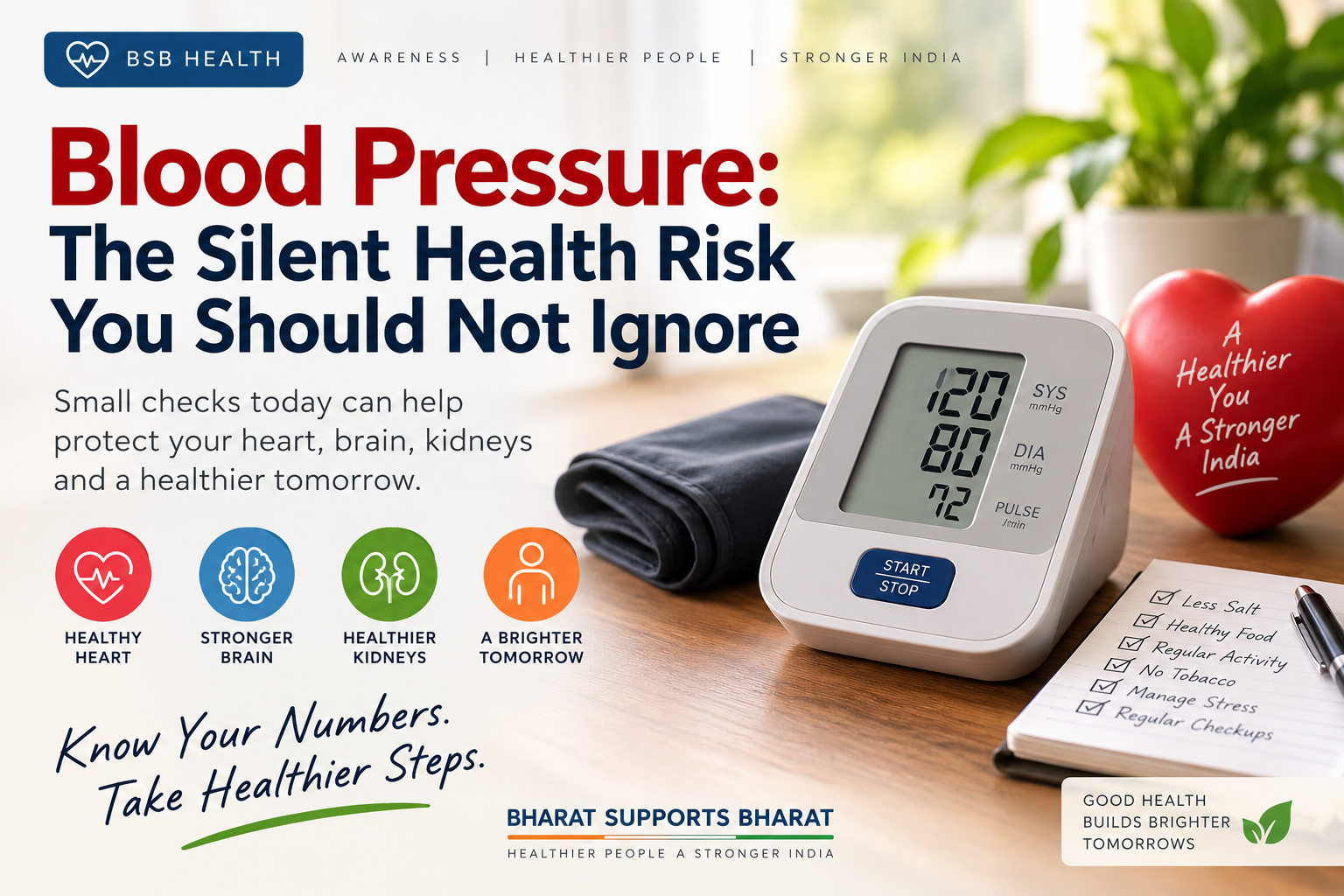
A blood pressure reading is written as two numbers, for example 120/80 mmHg.
Systolic pressure is the first number. It represents the pressure in your blood vessels when your heart contracts and beats.
Diastolic pressure is the second number. It represents the pressure when your heart relaxes between beats.
The unit mmHg means millimetres of mercury.
Blood pressure naturally changes throughout the day depending on factors such as activity, stress and other conditions. Therefore, one unusual reading does not necessarily mean that a person has hypertension.
What Is High Blood Pressure?
High blood pressure, also called hypertension, occurs when blood pressure remains persistently elevated.
According to WHO guidance, hypertension in adults is diagnosed when blood pressure measured on two different days is 140 mmHg or higher for systolic pressure and/or 90 mmHg or higher for diastolic pressure. A healthcare professional should assess repeated readings and the person's overall health.
Different medical guidelines may use different blood-pressure categories or thresholds for treatment. This is why it is important to discuss your readings with a qualified healthcare professional rather than interpreting a single number on your own.
Why Is High Blood Pressure Sometimes Called a "Silent" Problem?
One of the most important things to understand about hypertension is that many people do not experience noticeable symptoms.
A person can have high blood pressure and feel completely normal.
That is why simply feeling healthy does not tell you whether your blood pressure is within a healthy range. Regular measurement is the practical way to know your numbers.
When high blood pressure remains uncontrolled over time, it can increase the risk of serious health problems involving the heart, brain, kidneys and other organs. These can include heart disease, stroke and kidney disease.
What Can Increase the Risk of High Blood Pressure?
Some risk factors cannot be changed, while others are related to lifestyle and health conditions.
Factors that can increase the risk include:
Increasing age
Family history of hypertension
Being overweight or having obesity
Not getting enough physical activity
Eating a diet high in salt
Tobacco use
Excessive alcohol consumption
Certain medical conditions, including diabetes and kidney disease
Not every person with these risk factors will develop hypertension, and some people may develop it without an obvious lifestyle-related cause.
How Can High Blood Pressure Affect the Body?
Persistently high blood pressure places additional strain on blood vessels and important organs.
Over time, uncontrolled hypertension can contribute to:
❤️ Heart Problems
High blood pressure can increase the risk of heart disease, heart attack and heart failure.
🧠 Stroke
High blood pressure is an important risk factor for stroke because it can damage blood vessels supplying the brain.
🫘 Kidney Problems
The kidneys contain many small blood vessels. Long-term high blood pressure can damage them and contribute to kidney disease.
👁️ Other Health Effects
Persistently high blood pressure can also contribute to damage affecting other parts of the body, including the eyes.
The important message is that hypertension may cause harm gradually, even when a person does not feel unwell.
How Is Blood Pressure Checked?
Blood pressure measurement is generally quick and painless.
It can be measured by a healthcare professional or, when appropriate, with a validated home blood-pressure monitor.
For a more reliable reading:
Sit comfortably with your back supported.
Keep both feet flat on the floor.
Rest your arm at approximately chest height.
Place the cuff against bare skin rather than over clothing.
Remain quiet while the measurement is being taken.
Rest for several minutes before measuring.
If monitoring at home, keeping a record of your readings can help your healthcare professional assess your blood pressure over time.
The CDC also recommends taking at least two readings, about one to two minutes apart, when measuring blood pressure at home.
Can Everyday Habits Help?
Yes. Healthy lifestyle habits can help reduce the risk of high blood pressure and can support blood-pressure management.
🧂 Be Mindful of Salt
Eating too much salt can contribute to raised blood pressure. WHO recommends that adults consume less than 5 grams of salt per day, equivalent to less than 2,000 mg of sodium.
Be particularly mindful of salt in packaged and processed foods, salty snacks, pickles, sauces and other foods where the amount may not be immediately obvious.
🥗 Choose a Balanced Diet
Regularly eating vegetables, fruits and other nutritious foods can support overall cardiovascular health.
Reducing foods high in saturated and trans fats can also be beneficial.
🚶 Stay Physically Active
Regular physical activity is associated with a lower risk of developing hypertension and cardiovascular disease.
For adults, WHO recommends at least 150 minutes of moderate-intensity aerobic activity per week, or an equivalent amount of more vigorous activity, along with muscle-strengthening activities on two or more days per week.
If you have a medical condition or have been inactive for a long time, discuss an appropriate activity plan with a healthcare professional.
🚭 Avoid Tobacco
Tobacco use can increase cardiovascular risk. Avoiding tobacco is an important part of protecting heart and blood-vessel health.
⚖️ Maintain a Healthy Weight
If you are overweight or have obesity, working toward a healthier weight can help reduce blood-pressure-related risk.
😌 Manage Stress
Finding healthy ways to manage ongoing stress can be part of an overall approach to cardiovascular health.
💊 Follow Prescribed Treatment
If a healthcare professional has prescribed blood-pressure medication, take it according to their instructions. Do not stop, change or share medication without professional advice.
When Should You Take High Blood Pressure Seriously?
A very high blood-pressure reading, particularly when accompanied by concerning symptoms, requires prompt medical attention.
WHO notes that very high blood pressure, usually around 180/120 mmHg or higher, can be associated with symptoms such as severe headache, chest pain, difficulty breathing, confusion, vision changes, dizziness, nausea or vomiting.
If you have a very high reading together with serious or sudden symptoms, seek urgent medical care rather than trying to manage the situation yourself.
The Simple Message: Know Your Numbers
High blood pressure may not announce itself with obvious symptoms.
That makes regular blood-pressure checks an important part of preventive health.
Knowing your numbers can help you and your healthcare professional identify a potential problem earlier and decide whether further assessment or management is needed.
Remember:
Check your blood pressure.
Know your numbers.
Take healthy steps.
Seek professional advice when needed.
Small, consistent health choices can make an important difference over time.
Key Takeaways
Blood pressure is the force of blood against the walls of your arteries.
Hypertension often has no noticeable symptoms.
WHO defines hypertension in adults as persistent readings of ≥140/90 mmHg, confirmed on different days.
Regular blood-pressure checks are important because symptoms alone cannot reliably tell you whether your blood pressure is high.
Excess salt, physical inactivity, tobacco use, excessive alcohol consumption, unhealthy diet and excess body weight can increase risk.
Healthy eating, regular physical activity, avoiding tobacco and maintaining a healthy weight can help reduce risk.
If blood pressure is very high, especially with serious symptoms, seek urgent medical care.
BSB Health Awareness Disclaimer
This article is provided by Bharat Supports Bharat (BSB) for general health education and awareness only. It is not intended to diagnose, treat, cure or prevent any disease or to replace advice from a qualified healthcare professional. Blood-pressure readings can vary, and individual health circumstances differ. If you have concerns about your blood pressure, symptoms, medicines or treatment, consult a qualified healthcare professional. In an emergency or if you experience severe or sudden symptoms, seek immediate medical attention.
Health Awareness Disclaimer:
This content is provided for general educational
and health-awareness purposes only. It does not
replace professional medical advice, diagnosis or
treatment. Please consult a qualified healthcare
professional for personal medical concerns.
← Back to Health Articles